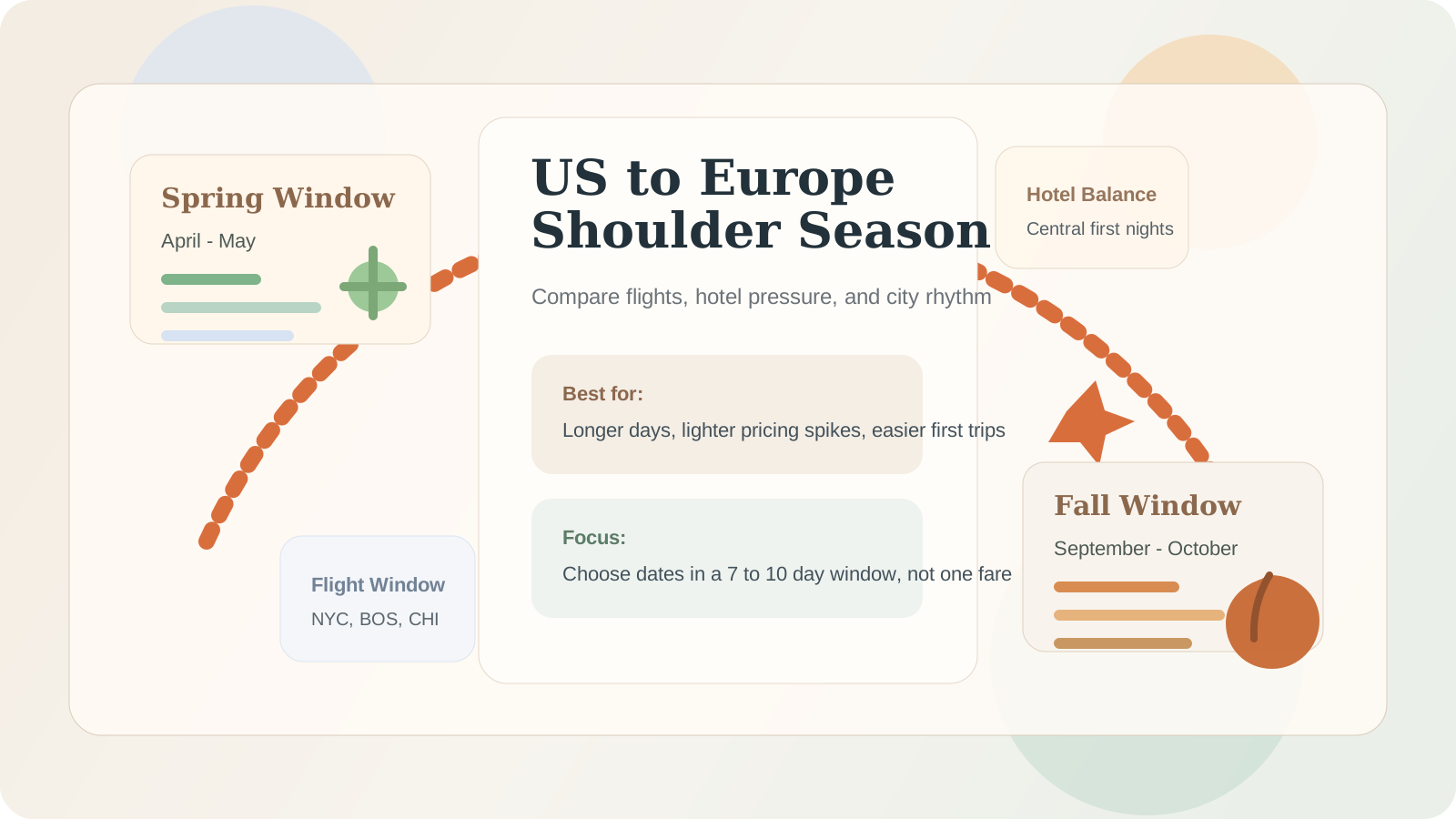
Why shoulder season matters so much for US-to-Europe travel
Many US-based travelers are no longer looking only at peak summer for Europe. The periods just before and after the high season, especially April-May and September-October, often create a better balance between flight prices and hotel pressure. In travel planning, these windows are known as shoulder season.
The search intent here is strong and practical. People search for the best time to visit Europe from the US, Europe shoulder season flights, and whether spring or fall makes more sense. Their real decision is not just about weather. It also includes crowd levels, nightly hotel pricing, and how comfortable the city experience will feel day to day.
When spring is the stronger choice
Late April and May can be a softer entry point for first-time Europe travelers from the US. Days get longer, parks and public spaces feel more alive, and cities are often not yet under full midsummer pressure. In places such as Lisbon, Madrid, Rome, Paris, and Amsterdam, walking-heavy itineraries can feel easier and more forgiving.
On the hotel side, spring often brings a more stable price structure than peak summer. Especially on weekday stays, the spread between central small hotels and apartment-style options can be easier to manage. That makes the total trip cost more predictable.
Why fall can be the better value window
Late September and October are often the moment when summer pressure starts to ease. In some destinations the beach effect fades while cultural travel demand remains strong. That can create softer airfare patterns and reduce the hardest hotel pricing spikes that dominate peak summer dates.
For travelers flying from the US to Europe, fall also has a quality-of-experience advantage. Museums, train stations, and major tourist zones often feel more manageable than they do in high summer. If the goal is cooler weather and less friction, fall is frequently the cleaner choice.
Which season tends to work better for airfare?
There is no universal answer because the result changes with departure city, day of week, and holiday overlap. A practical rule is that spring often rewards earlier planning, while fall can offer more flexibility once the summer rush breaks. In strong departure markets such as New York, Boston, Washington, and Chicago, the real difference often comes from date flexibility rather than from the route itself.
The right method is to compare a seven-to-ten-day date window instead of locking onto one exact day. The same route can look materially better when shifted by a week. That is the real planning edge: reading the date band, not just the first fare you see.
When do hotel prices soften faster?
This depends heavily on the city type. In beach-driven destinations, fall can still stay expensive because warm weather keeps late-season demand alive. In pure city trips, the gap between spring and fall is often narrower. In places such as Paris, Vienna, Prague, or Budapest, trade fairs and major events can matter more than the season itself.
In general, spring often gives a steadier hotel range for well-located stays, while fall can occasionally produce more aggressive value weeks. The important move is to read the hotel calendar of the target city, not rely on a generic seasonal assumption.
How weather and city experience should shape the decision
Spring usually brings more weather variation and some rain risk, but cities can feel more energetic and visually open. Fall brings shorter days, yet it can be excellent for walking, museums, and food-focused travel. The decision is less about temperature alone and more about what kind of rhythm you want from the trip.
If you value longer daylight, outdoor time, and a more animated atmosphere, spring may fit better. If you care more about lower crowd stress and a calmer pace, fall often works better.
A hotel strategy that works well in shoulder season
One of the better tactics in shoulder season is to keep the first two nights in a more central hotel with flexible cancellation, then optimize the later nights more aggressively for price. Weather shifts, jet lag, and small itinerary changes create more uncertainty at the start of the trip. A cheap stay with rigid cancellation can turn that uncertainty into friction.
In cities such as Paris, Barcelona, or Rome, a slightly more controlled hotel with shorter transfers can outperform a cheaper option far from the center. In shoulder season, value means reducing daily friction, not only lowering the nightly rate.
A simple model for choosing spring or fall
Compare four things in one table: US departure fare range, average hotel pricing in the target cities, daylight and temperature expectations, and major event dates. If the trip is built around a first visit, longer days, and dense sightseeing, spring may win. If the priority is calmer pacing, easier museums, and potential pricing relief, fall often fits better.
There is no single best season. The best window is the one that creates the least friction for your route and budget tolerance.
Conclusion
When planning a shoulder season trip from the US to Europe, the goal is not simply to avoid summer. It is to read the balance between flights, hotels, and city experience more intelligently. Spring can deliver longer days and a more energized atmosphere, while fall often offers a calmer rhythm and cleaner city flow. The right choice becomes clear when you evaluate your route, hotel strategy, and travel priorities together.